
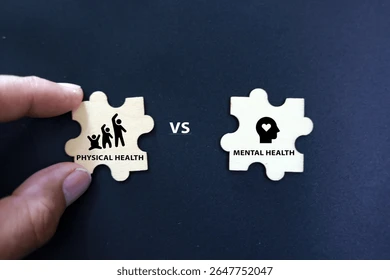
Exercise and Mental Health: How Physical Activity Can Improve Your Wellbeing
We often think of exercise as something we do to improve our physical health, strength or fitness. However, regular physical activity can also have a significant impact on our mental health and emotional wellbeing.
Whether it is going for a walk, attending a Pilates class, participating in a team sport, going to the gym or simply moving more throughout the day, exercise can be an important part of maintaining a healthy mind and body.
At our physiotherapy clinic, we understand that physical and mental health are closely connected. Incorporating regular movement into your routine can be a valuable way to support your overall wellbeing, manage stress and improve your quality of life.
How Does Exercise Benefit Mental Health?
Exercise affects the body in many different ways, and many of these changes can positively influence how we feel mentally and emotionally.
Physical activity can stimulate the release of chemicals in the brain that are associated with mood and wellbeing. Exercise may also help reduce muscle tension, improve sleep and provide an opportunity to take a break from daily responsibilities and stress.
You don’t necessarily need to complete a high-intensity workout to experience these benefits. Even gentle or moderate activities such as walking, swimming, cycling or Pilates can provide an opportunity to move your body and improve your overall wellbeing.
The most important factor is finding an activity that you enjoy and can maintain consistently.
Exercise and Stress
Modern life can be stressful. Work, family responsibilities, financial pressures and other challenges can contribute to ongoing physical and emotional tension.
Exercise can provide a healthy outlet for stress. When we are physically active, we can shift our attention away from stressful thoughts and focus on movement, breathing and the activity we are performing.
Regular exercise may also help reduce some of the physical effects associated with stress, including muscle tension and restlessness.
Activities such as walking, yoga, Pilates and resistance training can all provide an opportunity to step away from a stressful environment and spend some time focusing on yourself.
Exercise and Anxiety
For people experiencing anxiety, exercise can be a useful component of an overall approach to managing symptoms.
Anxiety can sometimes lead to increased muscle tension, restlessness and difficulty switching off. Physical activity can help provide an outlet for this energy while encouraging greater awareness of breathing and body movement.
Exercise can also help establish a routine. Having regular activities scheduled into your week can provide structure and create opportunities to spend time outdoors, socialise or focus on something positive.
If you experience ongoing or severe anxiety, exercise should not be considered a replacement for professional mental health care. However, regular physical activity can be one part of a broader strategy for supporting mental wellbeing.
Exercise and Depression
Depression can make it difficult to find the motivation to exercise. When you’re feeling low, tired or overwhelmed, the idea of going for a workout may feel like another task you need to complete.
However, even small amounts of physical activity can be a positive first step.
Starting with something manageable — such as a short walk, gentle stretching or a few simple exercises at home — can make physical activity feel more achievable. Gradually increasing activity over time may help establish a routine and create a sense of achievement.
Exercise can also provide opportunities for social connection. Joining a Pilates class, exercising with a friend or participating in a group activity can help reduce feelings of isolation and provide a supportive environment.
If you are experiencing symptoms of depression, it is important to speak with an appropriate healthcare professional. Exercise can complement professional treatment but should not replace it.
Better Sleep Through Exercise
Sleep and mental health are closely connected. Poor sleep can contribute to increased stress, irritability and difficulty managing emotions, while ongoing stress can make it harder to sleep.
Regular physical activity may help support healthier sleep patterns. Exercise can help regulate your daily routine and may make it easier to feel naturally tired at night.
For some people, incorporating regular exercise into their day can therefore have benefits that extend beyond the exercise session itself.
Exercise, Confidence and Self-Esteem
Exercise isn’t just about changes in body shape or fitness. Becoming stronger, improving your mobility or achieving a physical goal can help build confidence in what your body is capable of doing.
Small improvements can be particularly rewarding. Being able to walk further, lift a heavier weight, complete an exercise that was previously difficult or simply maintain a consistent exercise routine can provide a sense of accomplishment.
Developing confidence in your physical abilities can also influence how you approach other areas of your life.
Exercise and Social Connection
Exercise can be an excellent way to connect with other people.
Group Pilates classes, walking groups, sporting clubs, personal training sessions and community activities can provide regular opportunities to interact with others. For some people, this social aspect is just as important as the physical benefits.
Having an activity that you look forward to each week can provide structure, connection and a sense of belonging.
How Much Exercise Do You Need?
You don’t need to become an elite athlete to experience the benefits of physical activity.
A good starting point is to focus on consistency rather than intensity. If you are currently inactive, begin with activities that feel achievable and gradually build from there.
Some simple ways to increase your physical activity include:
- Going for a daily walk
- Taking the stairs instead of the lift
- Joining a Pilates or exercise class
- Walking during your lunch break
- Performing gentle stretching or mobility exercises
- Participating in a recreational sport
- Strength training at home or in the gym
- Cycling or swimming
- Taking regular movement breaks during the workday
Finding an activity you enjoy is important. Exercise should ideally become something that contributes positively to your life rather than another source of pressure.
Exercise Doesn’t Have to Be Perfect
One of the biggest barriers to exercise is the belief that it needs to be a long, intense or perfectly structured workout.
It doesn’t.
Ten minutes of movement is better than doing nothing. A gentle walk may be more appropriate than a high-intensity workout on a particular day. If you are tired, stressed or recovering from an injury, modifying your exercise may be the right choice.
The goal is to find movement that works for your body, your lifestyle and your current level of health.
How Can Physiotherapy and Exercise Physiology Help?
If pain, injury, reduced mobility or a lack of confidence is preventing you from exercising, a physiotherapist can help you develop a safe and appropriate exercise program.
Physiotherapy can help identify physical limitations and provide exercises that are tailored to your individual needs and goals. This may include strengthening, mobility exercises, balance training, Pilates or a gradual return to your preferred form of exercise.
For people who have stopped exercising because of pain or injury, having a clear and achievable plan can make returning to movement feel much more manageable.
Our Exercise Physiologists can also guide you through programming and exercising in our group classes or 1 on 1 sessions.
Take the First Step
Exercise is one of the many tools that can support both physical and mental wellbeing. You don’t need to completely transform your lifestyle overnight. Starting with small, achievable changes and gradually building your activity levels can make a meaningful difference.
Whether it’s a walk around the neighbourhood, a Pilates class, strength training or simply getting up and moving more regularly, every bit of movement counts.
If pain, injury or physical limitations are stopping you from being active, speak with our physiotherapy team. We can help you understand your body, develop an appropriate exercise program and work towards getting you moving with greater confidence.
Your physical health and mental wellbeing are connected — and taking care of one can be an important part of taking care of the other.